Mayfair London represents a significant content cluster within the broader luxury real estate, lifestyle, and tourism sectors. Analyzing the search presence around this iconic district involves understanding the diverse informational and commercial intents of users. Its high-value association attracts a sophisticated audience, making its search traffic patterns indicative of economic trends, lifestyle aspirations, and specific service demands within one of the world's most affluent urban environments. Profiling the search landscape of Mayfair London offers insights into how a geographical area with distinct characteristics translates into specific keyword demand and content opportunities.
What Mayfair London Appears to Cover
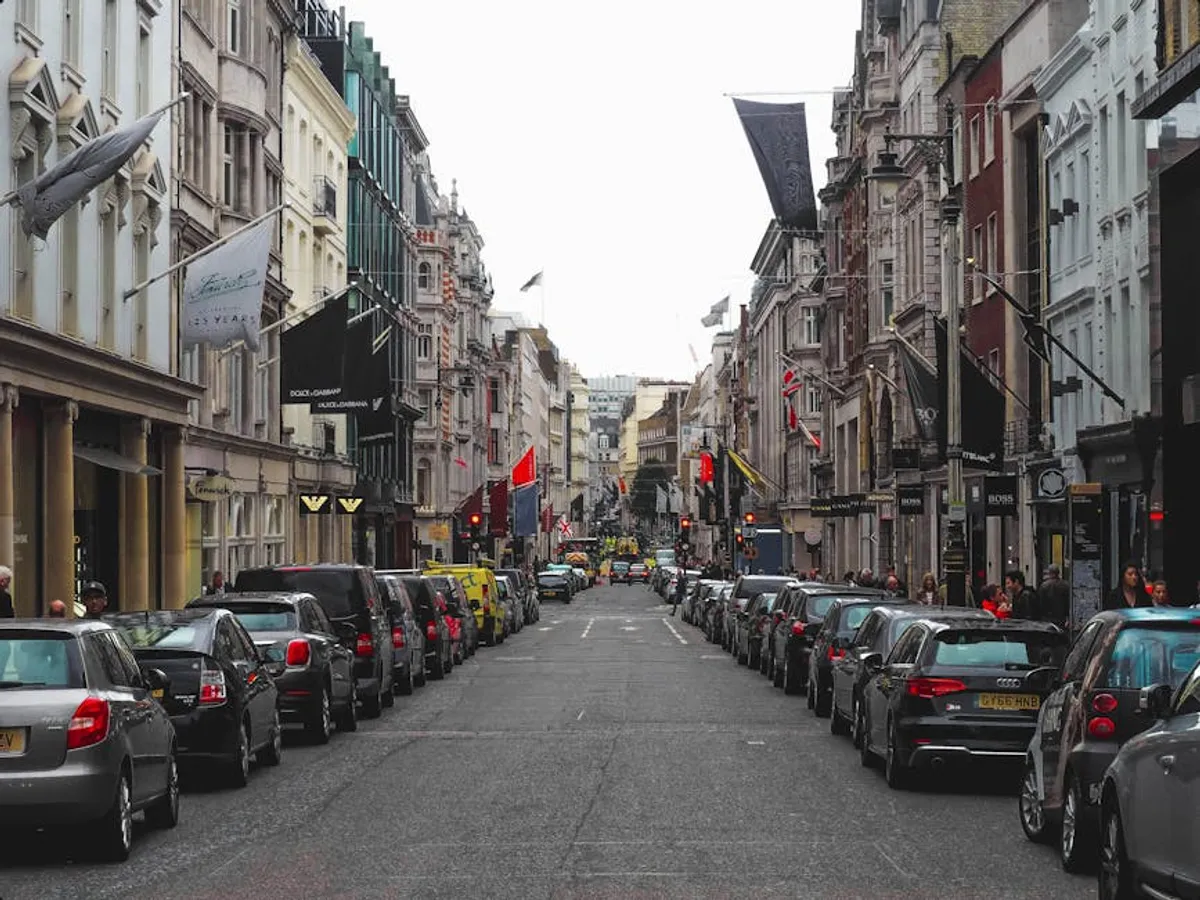
Content related to Mayfair London typically covers a wide array of topics reflecting its status as a premier district. Key content categories include luxury residential and commercial real estate, detailing property types, market trends, and investment opportunities. High-end retail and dining experiences are extensively covered, with articles focusing on Michelin-starred restaurants, exclusive boutiques, and fine art galleries. The area's rich history and cultural landmarks, such as Burlington Arcade or the Royal Academy of Arts, also form significant content pillars. Furthermore, lifestyle aspects like private members' clubs, concierge services, and bespoke luxury offerings are frequently explored. The subject also encompasses practical information for residents and visitors, such as transportation, local amenities, and community events.
Where Its Search Traffic May Come From
Search traffic for Mayfair London originates from a blend of broad and highly specific queries. Users looking for general information might search for "what is Mayfair known for" or "history of Mayfair." Those with commercial intent often use phrases like "luxury apartments Mayfair for sale," "Mayfair property prices," or "best restaurants in Mayfair." Navigational queries target specific establishments within the district, such as "Claridge's hotel London" or "Sotheby's Mayfair address." Long-tail keywords often involve comparisons or specific needs, such as "Mayfair vs. Belgravia cost of living" or "Mayfair art galleries with modern art." The international appeal of Mayfair also means a significant portion of traffic comes from global searches, particularly from high-net-worth individuals or luxury travelers seeking information on investment, relocation, or tourism.
Search Intent Behind Mayfair London
The search intent surrounding Mayfair London is multi-faceted. Informational intent drives queries from users seeking to understand the area's characteristics, history, or cultural significance. This includes searches like "Mayfair London facts" or "things to do in Mayfair." Commercial investigation intent is prominent for those researching potential purchases or services, such as "Mayfair real estate agents reviews" or "luxury shopping Mayfair guide." Transactional intent is evident in searches aimed at direct action, like "book a table at [restaurant name] Mayfair" or "buy property in Mayfair." Finally, navigational intent serves users looking for specific addresses, contact details, or opening hours of businesses and landmarks within the district, for example, "Brown's Hotel Mayfair contact."
Why Traffic May Rise or Fall
Search visibility and traffic for content related to Mayfair London are influenced by several factors. Economic shifts, particularly in the luxury market, can impact interest in high-end properties and services, causing fluctuations in commercial search volume. Seasonal tourism patterns significantly affect informational and transactional queries related to hotels, dining, and attractions. Major events, news stories about the area, or new developments can create spikes in interest. Algorithmic updates from search engines that prioritize local content, visual search results, or specific content formats (like rich snippets for businesses) can also alter visibility. Furthermore, the overall digital marketing efforts of businesses and organizations operating within Mayfair, including their content creation and link-building strategies, directly contribute to the collective search presence of the district.
How a Site Focused on Mayfair London Could Improve Organic Visibility
A website dedicated to Mayfair London could significantly enhance its organic visibility by focusing on comprehensive, authoritative content. This involves creating in-depth guides on specific aspects like "Mayfair property investment," "history of Mayfair's architecture," or "a connoisseur's guide to Mayfair dining." Implementing robust local SEO strategies, including accurate Google Business Profile listings for businesses within the area and localized content, would capture geo-specific searches. Utilizing schema markup for events, businesses, and properties would help search engines better understand and display content. High-quality visual assets, such as professional photography and virtual tours of properties or landmarks, are crucial for engaging a luxury audience. Cultivating expert contributions from local historians, real estate professionals, or culinary critics would build authority. Addressing user concerns, such as perceived safety, through well-researched articles on local security initiatives or community features, would also meet specific informational needs. Content that explores "alternatives" to Mayfair, comparing it to other prime London districts, would capture comparative search intent effectively.
What to Check Before Trusting Traffic Estimates
When evaluating traffic estimates for any online presence related to Mayfair London, it is crucial to scrutinize the data sources and methodologies. Different analytics platforms use varying data collection techniques, leading to potential discrepancies. Factors such as the recency of the data, the geographic scope of the analysis (e.g., global vs. UK-only), and the specific keyword sets used for estimation can significantly impact reported figures. It is important to understand if the estimates include all types of search traffic (organic, paid, direct, referral) or are limited to specific channels. Cross-referencing data from multiple reputable sources and understanding their limitations provides a more balanced and reliable perspective on search visibility.
Frequently Asked Questions About Mayfair London
What defines Mayfair London's distinct character and appeal?
Mayfair is characterized by its Georgian architecture, luxury boutiques, Michelin-starred restaurants, exclusive hotels, and art galleries, establishing it as a global hub for luxury and culture.
What types of properties are typically found in Mayfair?
The area features a mix of grand townhouses, luxury apartments, and commercial properties, often catering to high-net-worth individuals and international investors.
How does Mayfair's historical significance influence its current status?
Mayfair's history as a fashionable aristocratic district continues to shape its identity, maintaining its prestige and attracting businesses and residents who value its heritage and exclusivity.
What are the primary considerations for safety and security in Mayfair?
As a high-value area, Mayfair benefits from extensive public and private security measures, contributing to its reputation as a secure and well-maintained district for residents and visitors alike.