
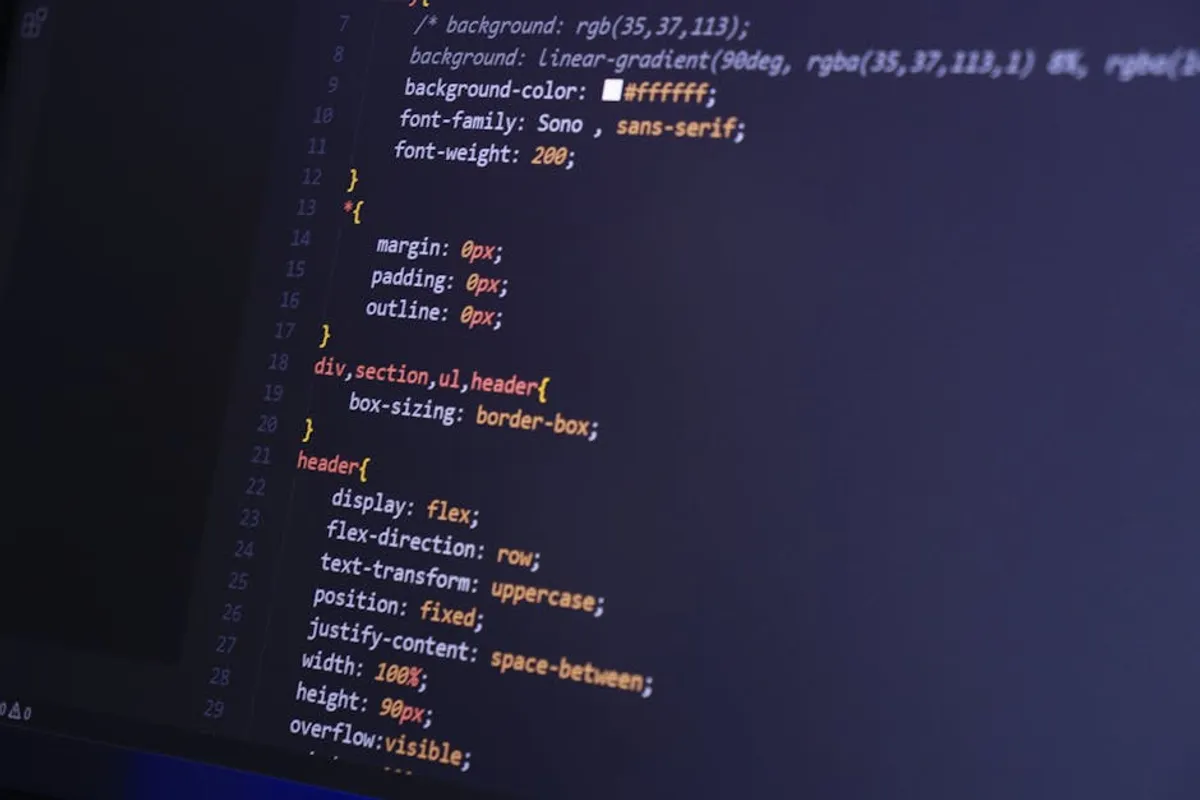
fontmirror.com presents itself as a potential hub for exploring and utilizing fonts, a fundamental element for any WordPress site's aesthetic appeal and user experience. For WordPress users, the process of selecting, installing, and managing fonts often involves navigating specific technical considerations and common pitfalls, ranging from performance impacts to complex licensing agreements. Analyzing fontmirror.com's potential content and search profile offers direct insights into how a dedicated font resource can attract and serve this audience, specifically by addressing their setup challenges and providing reliable solutions that prevent prevalent errors.
What fontmirror.com Appears to Cover
Given its domain, fontmirror.com likely focuses on font discovery, display, and integration. For WordPress users, this translates into several critical content opportunities aimed at proactively preventing setup mistakes:
- Font Selection & Pairing Guides: Comprehensive resources on choosing web-safe fonts, understanding the psychological impact of typefaces, and pairing complementary fonts for different WordPress themes or brand identities. This directly addresses common mistakes like poor readability, inconsistent branding, or clashing visual styles that detract from user experience.
- WordPress-Specific Integration Tutorials: Detailed, step-by-step instructions for adding custom fonts to WordPress. This includes methods using theme options, custom CSS, or popular plugins like Google Fonts Helper or Use Any Font. Such content is crucial for avoiding incorrect installation methods that lead to broken designs, font display issues, or slow loading times.
- Performance Optimization Strategies: Content explaining precisely how font choices and implementation impact page load times, particularly for WordPress sites. This could cover advanced topics like self-hosting fonts for better control, utilizing variable fonts for efficiency, preloading fonts to prevent flash of unstyled text (FOUT), and subsetting fonts to reduce file sizes. These are vital for avoiding performance penalties and improving Core Web Vitals scores.
- Licensing & Usage Rights Clarifications: Clear, simplified explanations of various font licenses (e.g., SIL Open Font License, commercial licenses, desktop vs. web licenses) and how they specifically apply to WordPress projects. This prevents legal issues and ensures users comply with intellectual property rights.
- Troubleshooting Common Issues: Dedicated articles addressing frequent problems such as "font not displaying correctly on WordPress," "font icons not working in my WordPress theme," or "font fallback issues on mobile devices." These guides should offer diagnostic steps and practical solutions to help users quickly resolve setup errors.
- Accessibility Considerations: Guidance on optimal font sizes, line height, paragraph spacing, and contrast ratios for maximum readability and accessibility compliance. This helps WordPress users avoid mistakes that exclude users with visual impairments or lead to poor user experience for everyone.
Where Its Search Traffic May Come From
Traffic for fontmirror.com, particularly from WordPress users focused on avoiding setup mistakes, would originate from highly specific long-tail queries and problem-solving informational searches:
- Direct Font Queries: Searches like "download [font name] for web," "free font alternatives to [premium font name]," or "[font name] pairing ideas for blogs."
- WordPress-Specific Integration Queries: Users actively seeking solutions, such as "how to add custom fonts to WordPress without plugin," "install Google Fonts in Elementor," "WordPress font manager plugin recommendations," or "change font in [specific WordPress theme name]."
- Troubleshooting & Error Queries: Problem-focused searches like "WordPress font not rendering correctly," "fix font loading issues WordPress," "prevent FOUT on WordPress site," or "why are my custom fonts not showing up WordPress."
- Informational/Educational Queries: Broader learning searches such as "best fonts for WordPress portfolios," "web safe fonts for accessibility WordPress," "understanding font licensing for commercial WordPress sites."
- Comparison Queries: "Google Fonts vs. Adobe Fonts for WordPress performance" or "best custom font solution for Gutenberg."
Search Intent Behind the Subject
The search intent for fontmirror.com's potential audience, especially WordPress users, would primarily be informational and indirectly transactional, with a strong emphasis on problem-solving and resource acquisition:
- Informational Intent: Users are seeking knowledge, explanations, or best practices related to fonts and their application in WordPress. Examples include "what are variable fonts and how to use them in WordPress," "how to choose fonts for a high-converting website," or "understanding font licenses for client projects." They want to learn *how* to do something or *why* something is important before acting.
- Transactional/Commercial Intent (Indirect): While not directly selling fonts, users might be looking for resources that facilitate a transaction, such as finding a font to download, a plugin to implement it, or a service to optimize it. Queries like "download free fonts for WordPress blog" or "best WordPress font installer plugin" demonstrate this. The 'transaction' here is acquiring a resource or a tool that solves their immediate need.
- Navigational Intent: Less prominent for a domain like fontmirror.com unless it establishes itself as a highly recognized brand for font resources. However, users might search "fontmirror.com [specific font]" if they know the site hosts a particular collection or solution they trust.
Why Traffic May Rise or Fall
fontmirror.com's organic visibility and sustained traffic hinge on several critical factors:
- Content Freshness and Depth: Regularly updated content, especially tutorials for new WordPress versions, theme updates, or evolving web standards (like CSS font properties), is crucial for maintaining relevance. Stagnant content on rapidly changing topics like web performance or WordPress development best practices will inevitably lead to traffic decay.
- Technical SEO Health: Core web vitals, site speed, mobile responsiveness, and a clean, logical site architecture are paramount. A slow or poorly structured site, particularly one dealing with numerous font files, will suffer traffic declines due to poor user experience and potential search engine penalties.
- Authority and Backlink Profile: Earning high-quality backlinks from reputable WordPress blogs, design communities, web development resources, or educational platforms would significantly boost domain authority and search rankings. A weak or irrelevant backlink profile will severely limit its organic reach.
- Algorithm Updates: Google's continuous core updates and specific updates targeting user experience (e.g., Page Experience signals, Mobile-First Indexing) can heavily impact sites dealing with performance-heavy assets like fonts. Sites that proactively optimize for these metrics are more likely to see sustained traffic gains, while those that neglect them will experience declines.
- Competitive Landscape: The web is saturated with font resources, WordPress tutorial sites, and design blogs. Differentiation through unique content angles, superior user experience, a highly specialized niche (e.g., fonts for specific WordPress builders like Bricks or Kadence), or innovative tools is essential to avoid traffic dilution.
- User Engagement Signals: High bounce rates, low time-on-page, or poor interaction with content indicate that the site isn't meeting user needs effectively. These signals can indirectly inform search engines that the content may be less relevant or valuable, potentially leading to ranking drops over time.
How the Site Could Improve Organic Visibility
To enhance its organic presence and attract more WordPress users, fontmirror.com could implement several targeted SEO strategies:
- Deep-Dive WordPress-Specific Content: Create comprehensive, authoritative guides on advanced font integration for popular WordPress page builders (Elementor, Divi, Beaver Builder, Gutenberg) and themes. This includes addressing specific setup challenges and providing optimization tips. For example, "Mastering Custom Fonts in Elementor: A Performance and Accessibility Guide."
- Structured Data Implementation: Utilize schema markup for articles, tutorials, FAQs, and potentially font types to improve rich snippet visibility in search engine results pages (SERPs). This helps search engines understand the content's context and can significantly increase click-through rates.
- Robust Internal Linking Strategy: Develop a strategic internal linking structure that connects related font guides, troubleshooting articles, WordPress integration tutorials, and definitions. This builds topical authority, aids user navigation, and distributes link equity across the site.
- Targeted Keyword Research for "Mistakes" and "Fixes": Focus on long-tail keywords that explicitly address common WordPress font setup errors, such as "WordPress font not rendering correctly," "how to fix font loading issues WordPress," "prevent FOUT WordPress," or "WordPress custom font not showing up."
- Content Partnerships and Outreach: Collaborate with prominent WordPress theme developers, plugin creators, or influential bloggers in the WordPress space to produce co-authored content, guest posts, or resource mentions. This expands reach and acquires valuable, relevant backlinks.
- User-Generated Content (UGC) Integration: If feasible, allow users to submit font pairing ideas, showcase WordPress sites using fonts from fontmirror.com, or share their troubleshooting experiences. This fosters community, provides fresh content, and demonstrates real-world application.
- Self-Auditing for Performance: Regularly audit its own site performance using tools like PageSpeed Insights, GTmetrix, and WebPageTest. Ensuring its font delivery, image optimization, and overall loading speed are exemplary is critical, especially if the site hosts font files itself. This demonstrates authority and commitment to best practices.
What to Check Before Trusting Traffic Estimates
When evaluating any third-party traffic estimates for fontmirror.com, or any domain, several critical considerations apply. These tools rely on statistical models, not direct analytics access, making their figures approximations:
- Data Source and Methodology: Understand how the tool collects its data (e.g., clickstream data, ISP data, public APIs) and its refresh rate. Different methodologies yield varying levels of accuracy and coverage.
- Keyword Coverage and Accuracy: Verify if the tool's estimated keyword rankings align with the subject matter. Gaps in keyword coverage, especially for highly niche or long-tail topics like specific font troubleshooting for WordPress, can significantly skew traffic estimates.
- Geographic Focus: Ascertain if the estimated traffic demographics match the target audience. A tool primarily focused on US traffic might significantly underestimate global reach for a universally applicable resource like a font library.
- Domain Age and Authority: Newer or lower-authority sites often have less stable and less accurate traffic estimates due to less historical data for the tools to analyze. Established, high-authority sites typically yield more reliable figures.
- Relative Comparison vs. Absolute Figures: Use the estimates primarily for relative comparison against direct competitors rather than as absolute figures. If fontmirror.com shows similar trends to known, successful font resources, the relative comparison holds more weight.
- Historical Data Trends: Focus on consistent trends over time rather than fixating on single data points. Sudden, unexplained spikes or drops in estimated traffic can indicate data anomalies rather than genuine shifts in performance.
Q: How can fontmirror.com help WordPress users avoid common font setup mistakes?
A: fontmirror.com can offer specific tutorials on correct font installation methods for WordPress, performance optimization techniques, clear font licensing explanations, and practical troubleshooting guides tailored to common platform issues, directly addressing potential errors before they occur.
Q: What types of fonts are most relevant for WordPress site owners on fontmirror.com?
A: WordPress users typically seek web-safe fonts, Google Fonts, or custom self-hosted fonts. Content on fontmirror.com could focus on these categories, including advice on implementing variable fonts for design flexibility and improved site performance.
Q: Does fontmirror.com provide tools for checking font compatibility with WordPress themes?
A: While the site name suggests a repository, fontmirror.com could provide content guiding users on how to manually check font compatibility or recommend plugins that assist in ensuring selected fonts render correctly across various WordPress themes and browsers.
Q: How important is font licensing information on fontmirror.com for WordPress projects?
A: Font licensing is crucial for WordPress users to avoid legal issues. fontmirror.com could provide clear, simplified explanations of common font licenses (e.g., OFL, commercial) and their specific implications for website usage, preventing misuse and ensuring compliance.